

OUR MISSION
Changing the game for patients with neurodegenerative diseases
Our vocation is to develop first-in-class innovative drugs to treat patients with degenerative or traumatic neurological disorders with high unmet medical needs.

2024 Galien USA Award
Axoltis Pharma, Best Startup Nominee

Advancing NX210c: Phase 2 Clinical Trial in ALS
Amyotrophic Lateral Sclerosis (ALS) is a fatal, rapidly progressing neuromuscular disease marked by the death of motor neurons responsible for walking, speaking, swallowing, and breathing. The disease affects over 500,000 people globally, with a median survival of only 3–5 years post-diagnosis. There is no therapeutic option to date. NX210c, our lead drug candidate, is currently under evaluation in a Phase 2 clinical trial in patients with ALS. Preliminary results presented during ENCALS2026 are promising and support the continued development of NX210c.
500K+
Global ALS patients
3-5 yrs
Median survival after diagnosis
Phase 2
Clinical trial in patients with ALS
Q2 2026
Preliminary results released
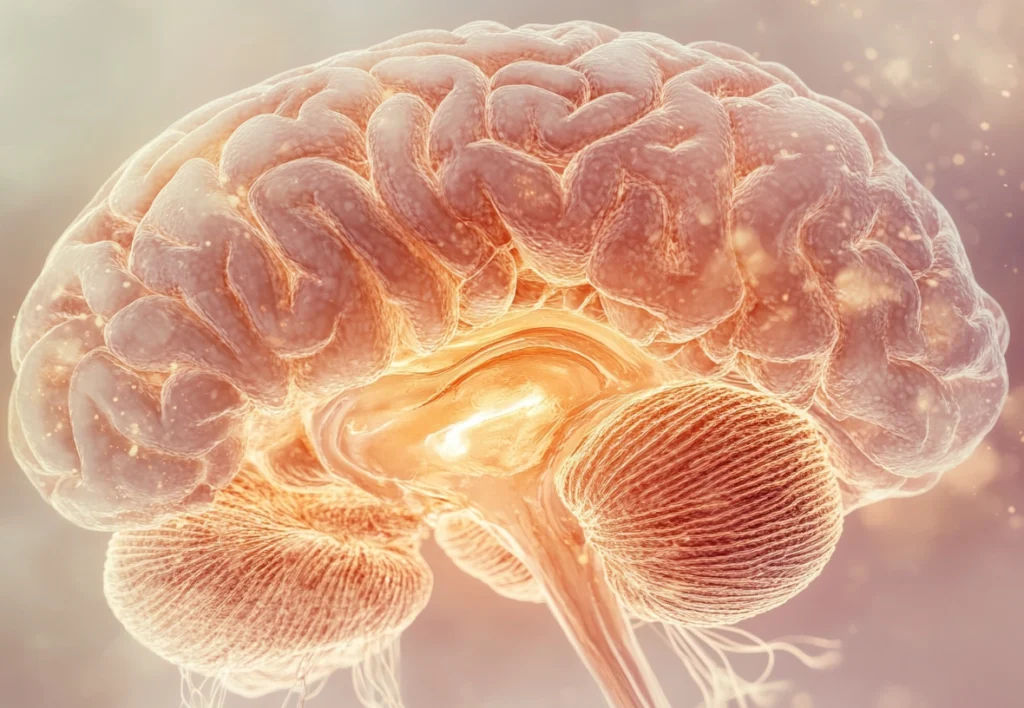
The blood-brain barrier breakdown: a trigger and an accelerator for neurodegeneration
Emerging evidence points to BBB dysfunction as a central driver in neurodegenerative pathologies. The BBB acts as a critical gatekeeper between the bloodstream and the brain, regulating the passage of nutrients and molecules. When compromised, harmful proteins infiltrate the brain, sparking inflammation and neuronal damage. Diseases such as Alzheimer’s, Parkinson’s, Multiple Sclerosis, ALS, and many others share this underlying mechanism. Repairing BBB integrity is therefore a very promising avenue in the therapeutic arsenal to stop disease progression.
BBB Breakdown
The blood-brain barrier loses its integrity
Toxic Infiltration
Harmful proteins and molecules enter the brain
Neurodegeneration
Inflammation and neuronal damage accelerate
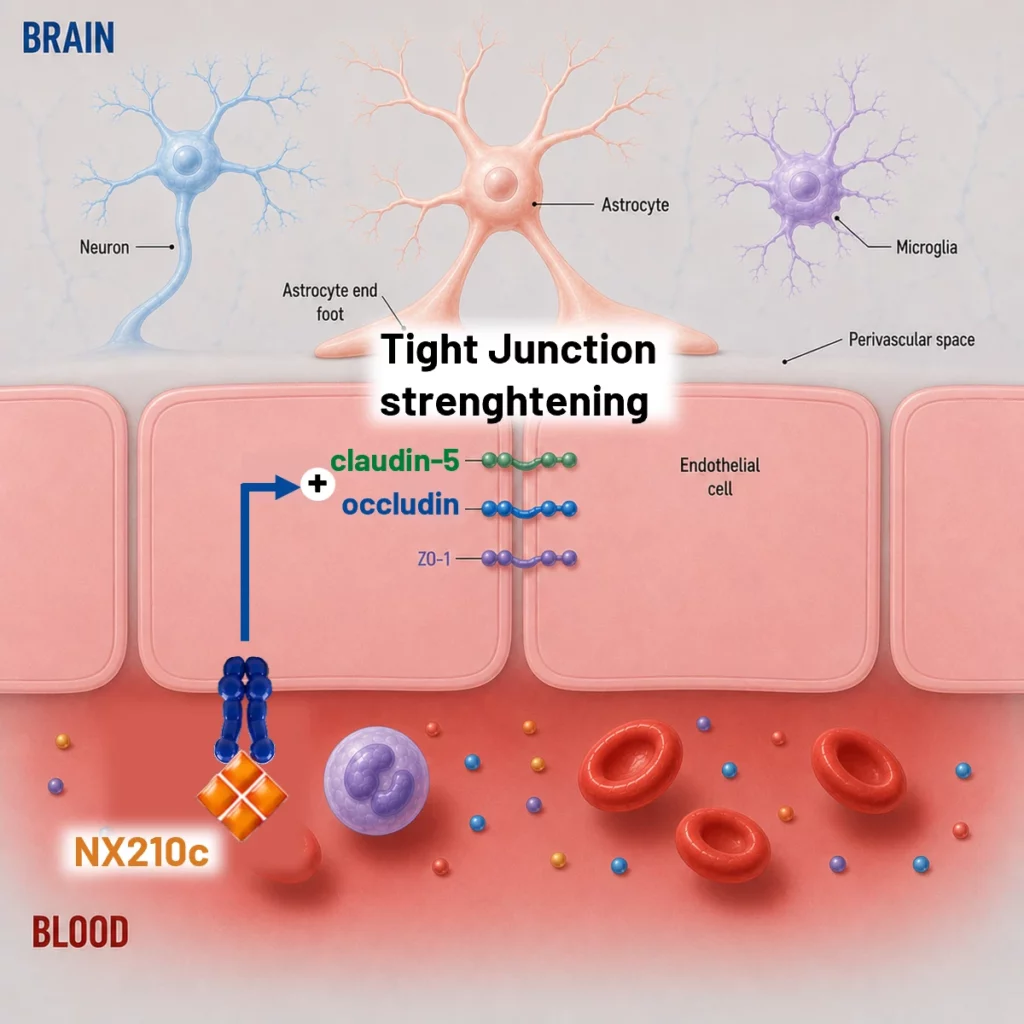
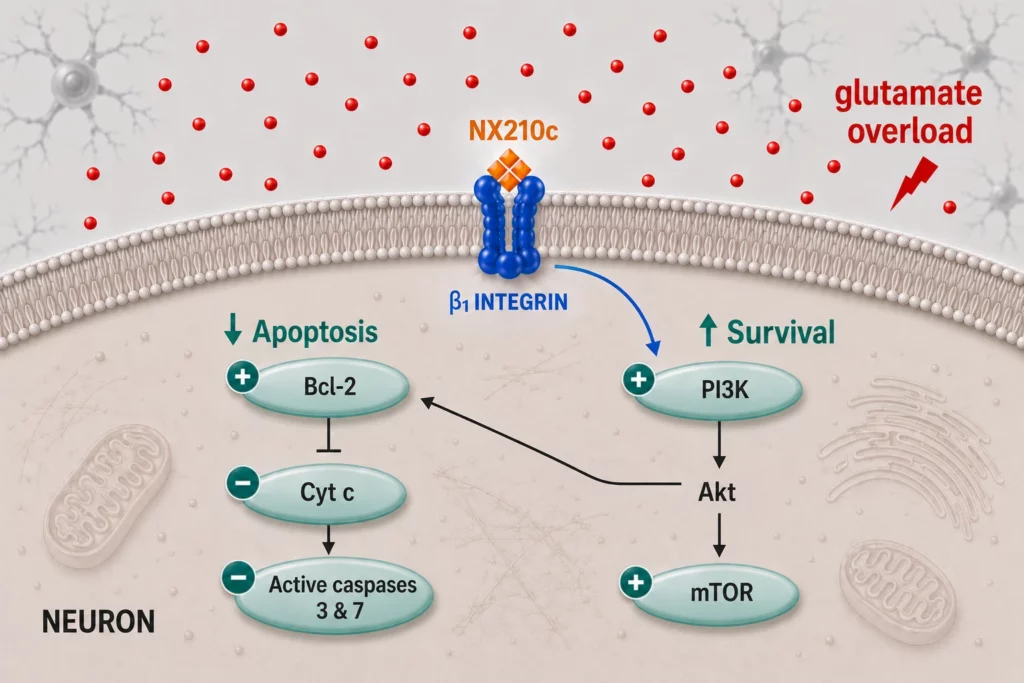
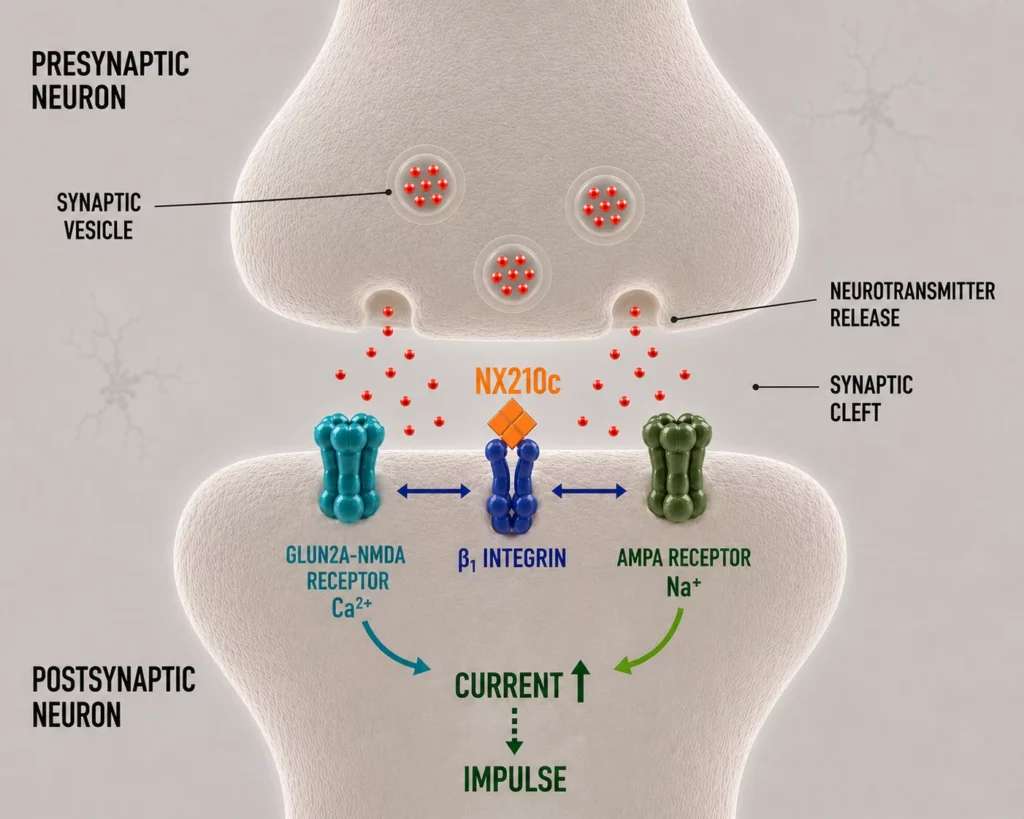
NX210c, a promising drug candidate combining 3 major properties
NX210c is a short, synthetic peptide inspired by SCO-spondin, a multifunctional glycoprotein essential in neurogenesis. This peptide aims to restore the blood-brain barrier, to protect the neurons, and to enhance neurotransmission. Its mechanism of action has therapeutic relevance across multiple neurodegenerative diseases.
What experts say about our approach
-
Axoltis Pharma's approach to restoring blood-brain barrier integrity represents a truly differentiated therapeutic strategy in the neurodegenerative disease space. Their NX210c program has the potential to address a fundamental mechanism shared across multiple devastating conditions.

Prof. Matthew CAMPBELL
Neurovascular Genetics Laboratory – Trinity College Dublin

-
You have your target, it's really well engaged and is dose dependent. You match and you get your first rule of yours, then you have also the basis to possibly extend to other neurodegenerative diseases. This is really impressive, I am optimistic about the next development steps!

Dr Noelle Callizot Pharma.D., Ph.D., H.D.R
Neuropharmacology Expert | Neuro-Sys CSO, Founder
-
Although requiring confirmation in the next clinical phase, the SEALS results are highly encouraging, showing both slowed disease progression and target engagement. Axoltis now has all the insights to advance development in ALS and potentially other neurological diseases. A truly striking and promising outcome!

Prof Gregory Bix M.D., Ph.D., F.A.H.A.
Professor and Chair | Department of Translational Neurosciences | Vada Odom Reynolds Chair in Stroke Research | Professor of Neurology

-
The preliminary results of the SEALS trial provide encouraging proof-of-concept evidence that targeting blood–brain barrier dysfunction may improve key biomarkers and slow functional decline. These findings highlight the therapeutic potential of NX210c in ALS and other neurodegenerative diseases, warrant further investigation.

Prof Britta Engelhardt Ph.D.
Theodor Kocher Institute University of Bern | President International Brain Barriers Society

-
The therapeutic potential of this multi-target compound extends well beyond ALS. NX210c’s apparent ability to modulate blood–brain barrier function, coupled with its promising neuroprotective properties, makes it a particularly compelling candidate with the potential to address multiple mechanisms underlying neurodegeneration.

Prof Francesca Cicchetti Ph.D.
Université Laval

Proud to be backed by
We are supported by a strong network of investors, experts, institutional partners and patient associations.
Investors and Supporters


Scientific Partners


